About
Refilling a butane torch lighter should be simple—but most lighter problems start with a rushed refill: wrong angle, wrong tip, overfilling, or lighting it too soon. Do it the clean way below and you’ll get a stronger flame, more consistent ignition, and fewer “why is this thing hissing?” moments.
Safety First (Quick + Real)
- Refill outside or in a well-ventilated area
- Keep away from open flame (lit cigar, grill, stove, candles, pilot lights)
- Don’t refill in your car or while smoking
- Avoid spraying fuel onto skin/clothes (it’s cold and flammable)
What You Need
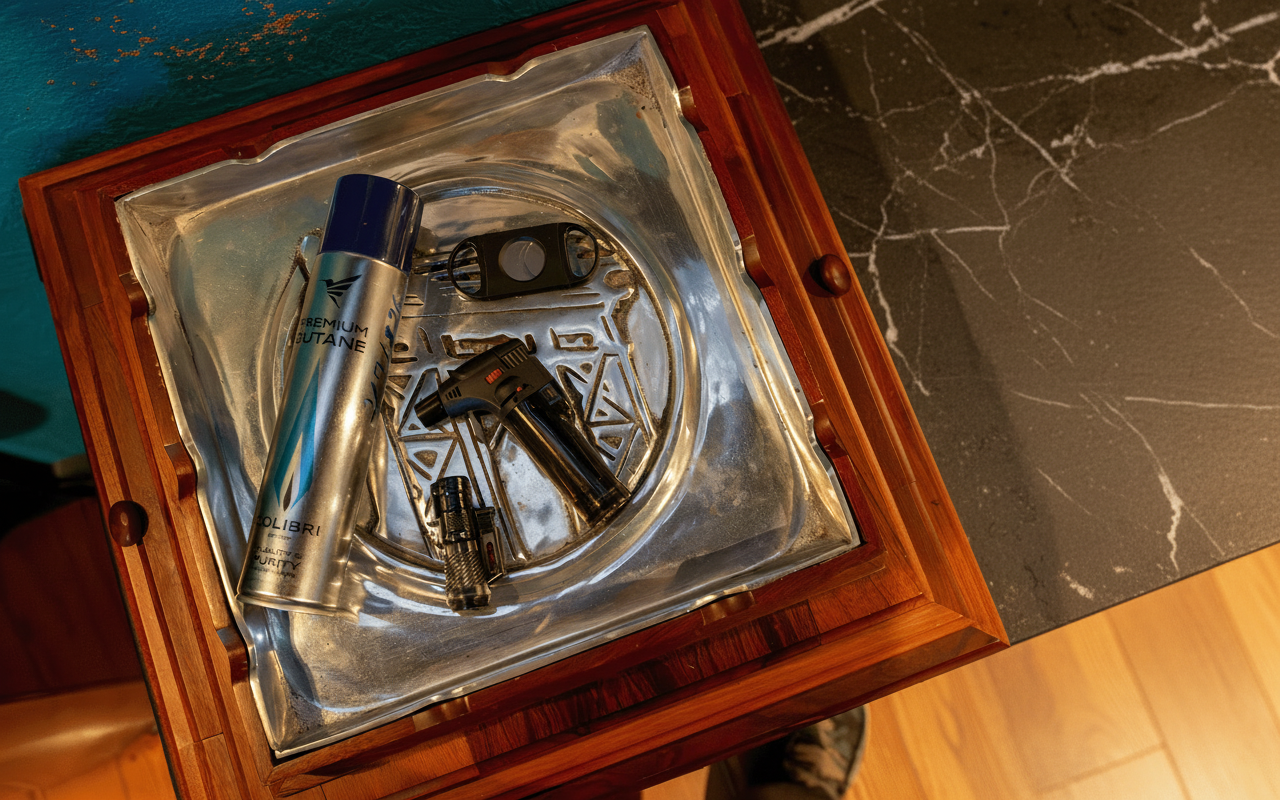
- Your butane torch lighter
- A can of butane (ideally high-quality/refined)
- The adapter tips from the butane cap if your lighter needs a specific fit
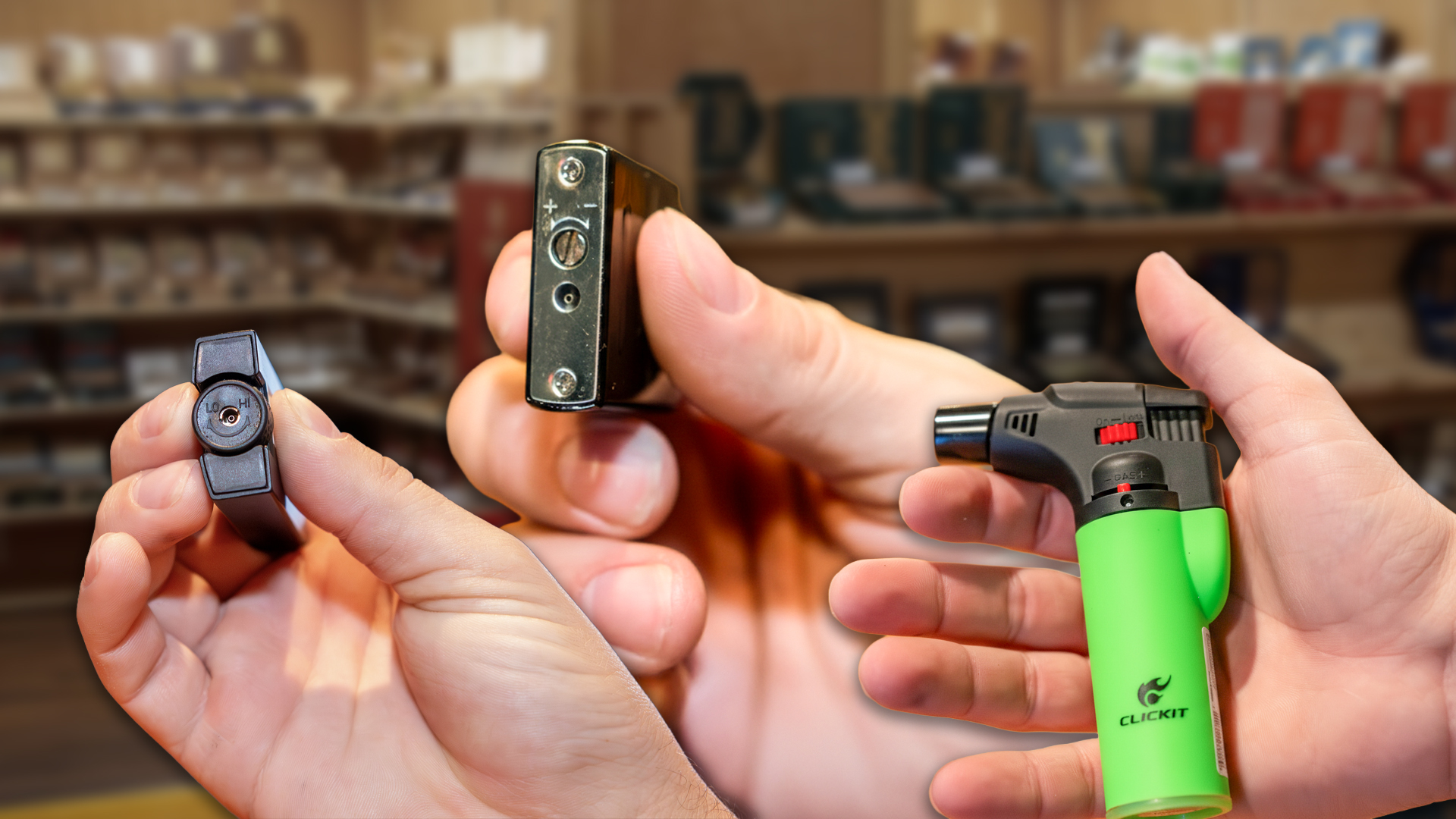
Step 1) Turn The Flame Adjustment Down
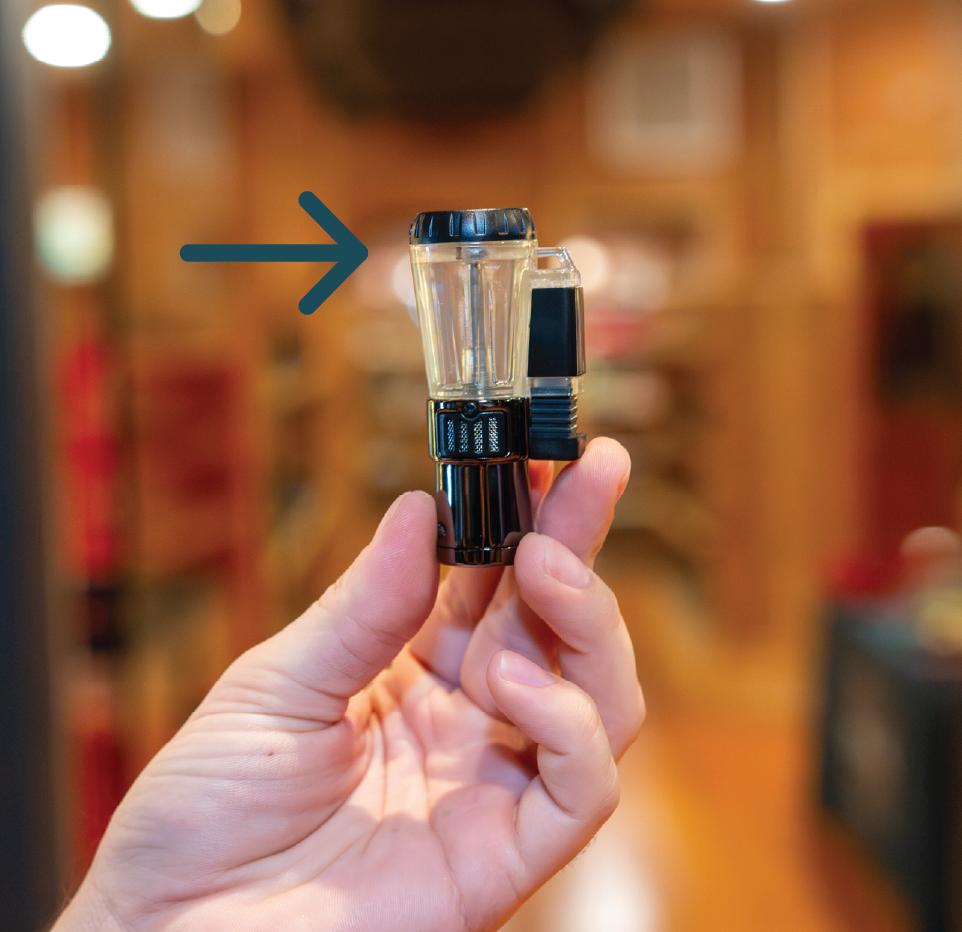
Before refilling, dial the flame to the lowest setting. This prevents a surprise “too high” flame when you test it later.
Step 2) Let The Lighter Cool to Room Temp
If it was just used, wait a minute. A warm tank can cause messy blowback and inconsistent filling.
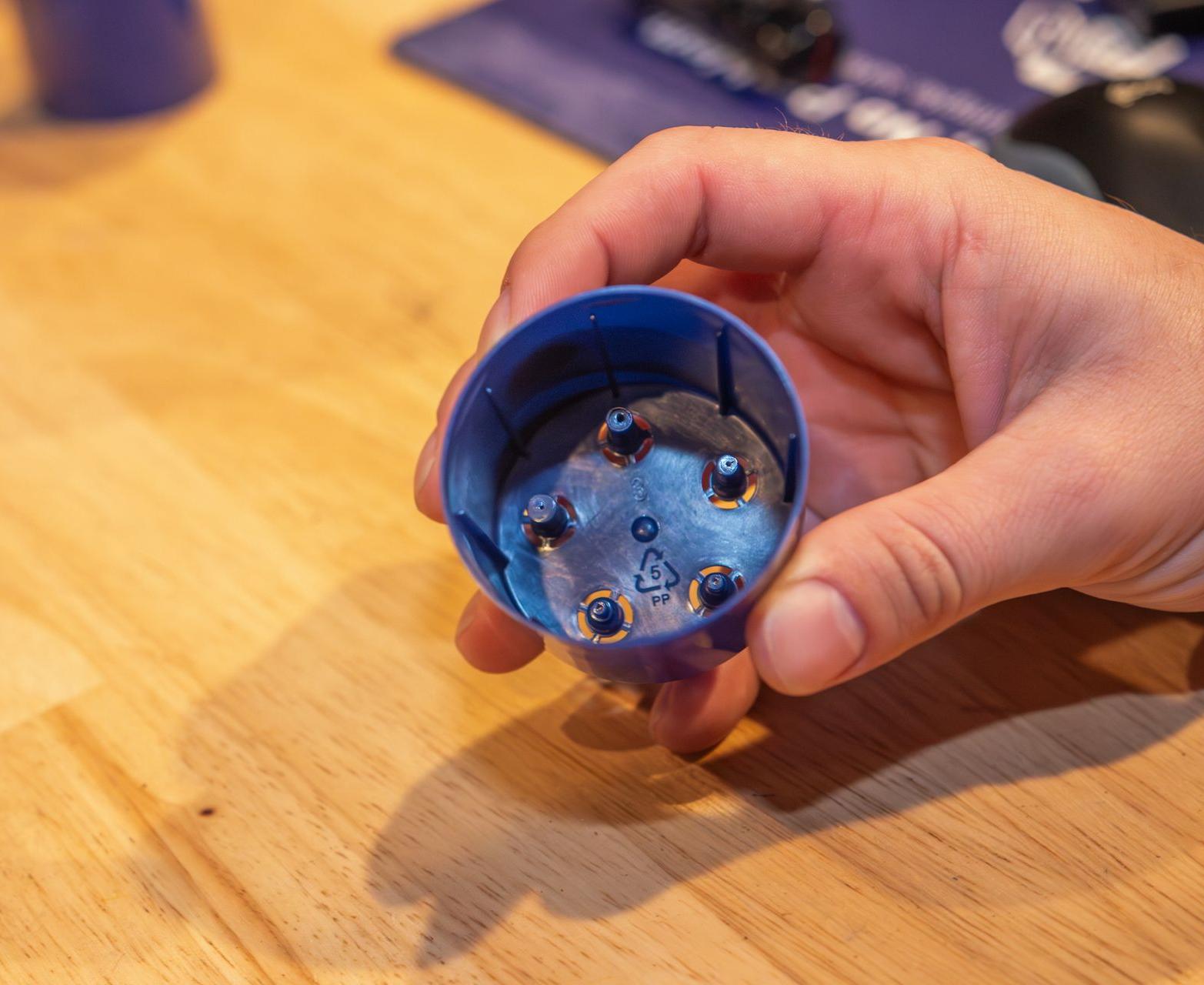
Step 3) Choose the Correct Adapter Tip
Most butane cans include small plastic tips/nozzles under the cap. Use the one that:
- seats snug in the refill valve
- doesn’t wobble
- presses down cleanly
Wrong tip = fuel spray + weak fill.
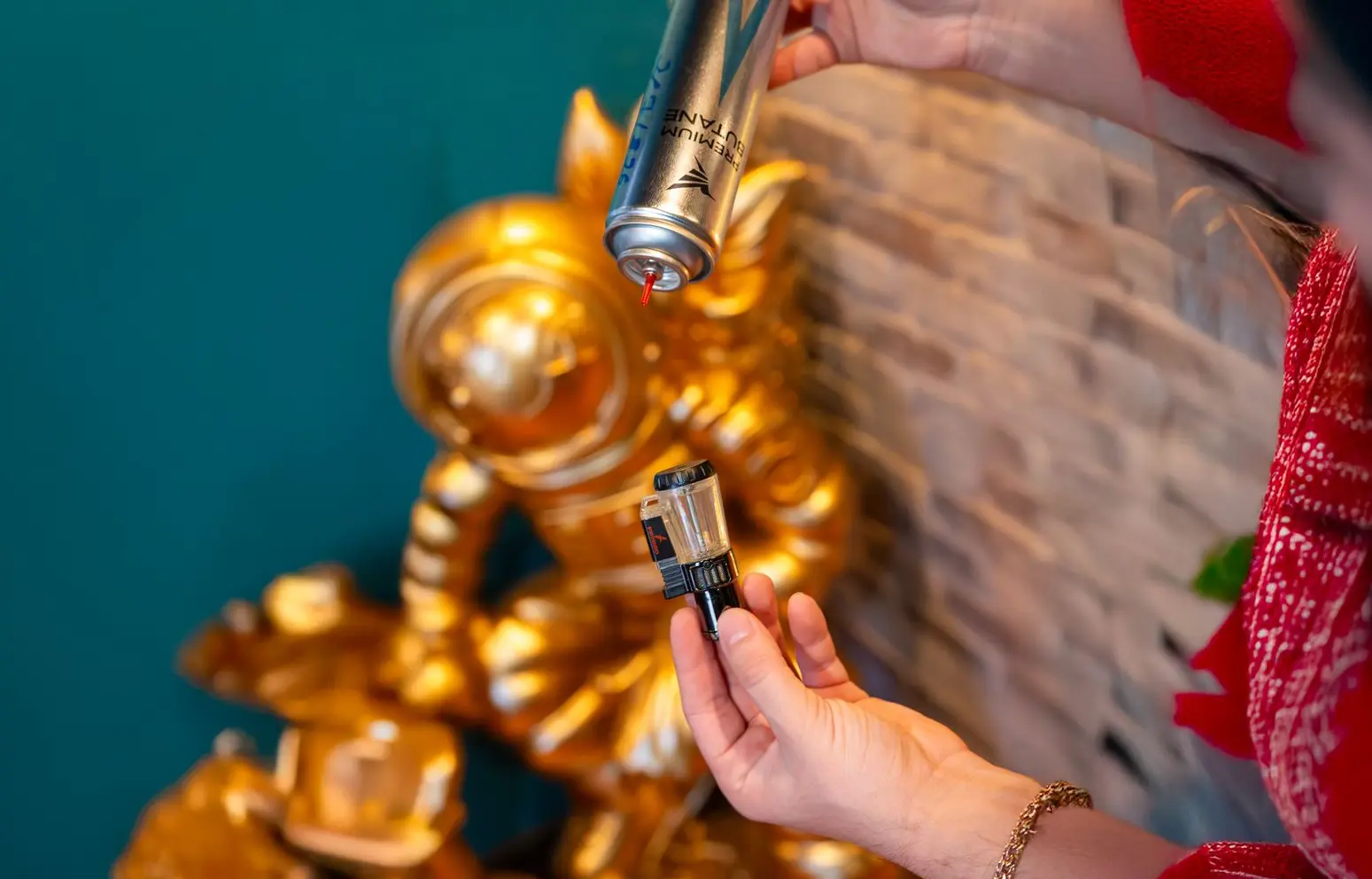
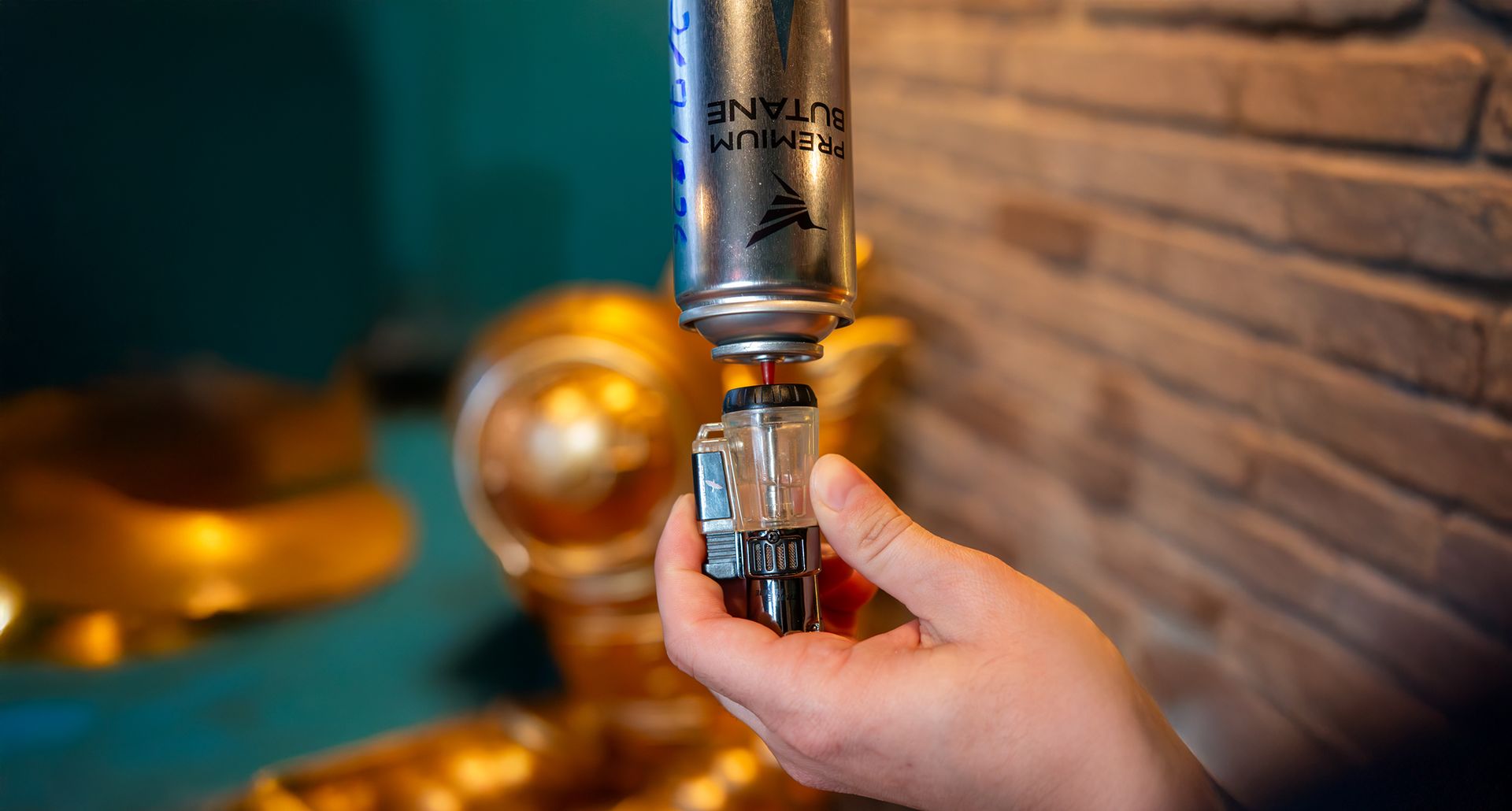
Step 4) Hold the lighter + butane can upside down (line them up straight)
With the refill valve facing up, hold the lighter upside down while you fill. Then flip the butane can upside down too and press it straight into the valve. This is the cleanest way to transfer liquid butane into the tank—meaning less blowback, fewer leaks, and a more complete fill.
Step 5) Press Straight Down (no angle)
Push the can into the refill valve vertically. If you’re off-angle, you break the seal and get spray/backflow.
Step 6) Fill in Short Bursts (2–4 seconds each)
Don’t hold it down forever. Do a few solid bursts:
burst → pause → burst → pause
This gives pressure time to equalize and usually fills cleaner.
Step 7) Know When It’s Full
Common “full” signs:
- you see a small spit-back of butane around the valve
- the lighter feels colder and slightly heavier
- it stops accepting fuel consistently
Stop when you hit these—overfilling can cause sputtering or flare-ups.
Step 8) Wait 3–5 Minutes Before Lighting
This matters more than people think. The fuel needs to warm back up and stabilize. If you light immediately, you often get weak flame / sputter and assume the refill “didn’t work.”
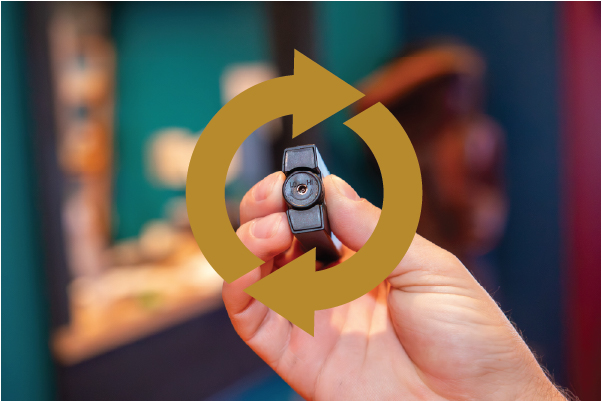
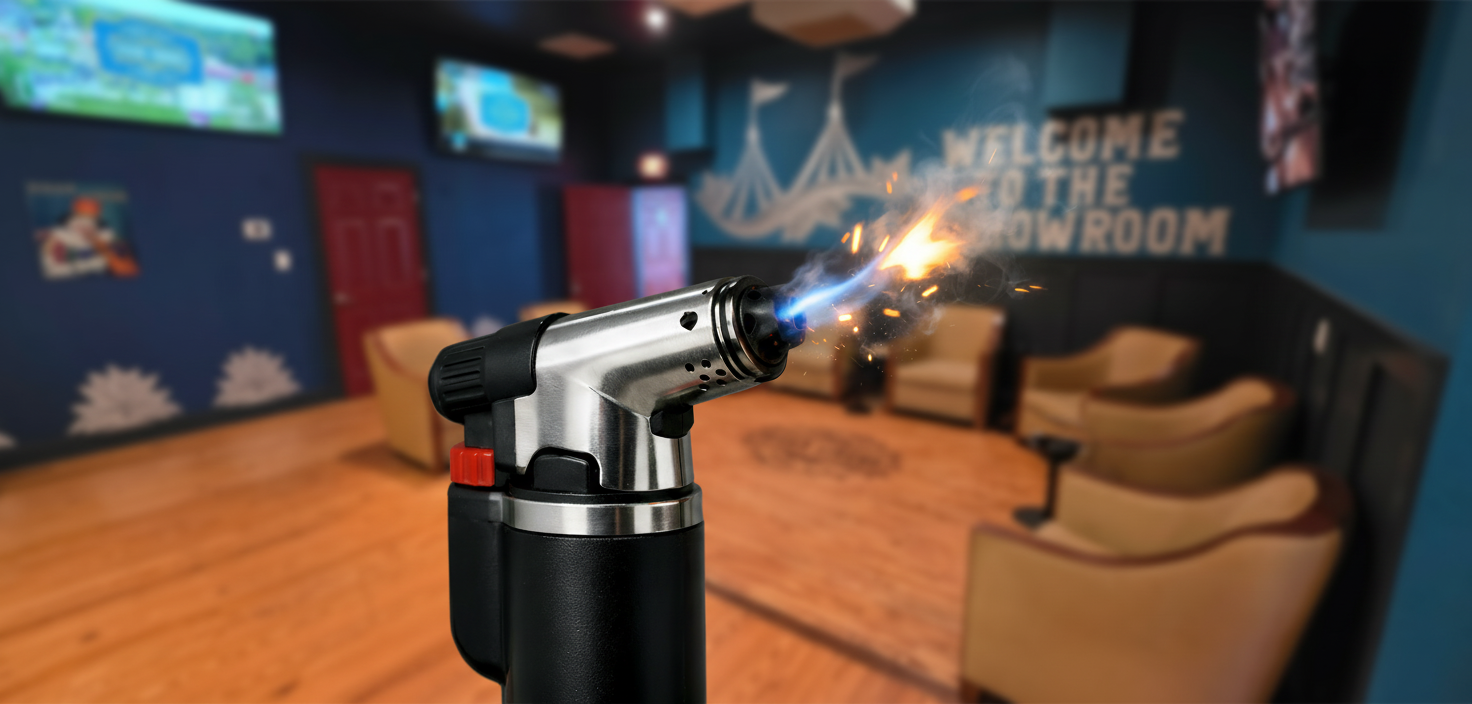
Step 9) Test the Flame and Dial It In
After waiting:
- ignite the lighter
- adjust flame gradually upward to your preferred size
A good torch flame should be steady, clean, and not “spitty.”
Common Refill Mistakes
- Filling with the lighter upright
- Using the wrong adapter tip
- Pressing in at an angle
- Overfilling
- Lighting immediately after refilling
Using low-quality butane that can clog jets over time
Still Having Issues After Refilling?
If your lighter won’t take fuel, acts like it’s “full” instantly, or the flame stays weak even after a proper refill, the tank may have trapped air, which means the lighter needs to be purged.
Next Step, See Our Guide on: “How to Purge a Butane Cigar Lighter (Without Tools)”