Cigars
101
Growing Regions - Nicaragua
Behind every cigar is a blend of leaves chosen for what they bring to the experience. This guide introduces four Nicaraguan growing regions—Estelí, Condega, Jalapa, and Ometepe—and explains why their names matter when learning about the cigars you enjoy.
Cigars 101
Growing Regions:
Nicaragua
Behind every cigar is a blend of leaves chosen for what they bring to the experience. This guide introduces four Nicaraguan growing regions—Estelí, Condega, Jalapa, and Ometepe—and explains why their names matter when learning about the cigars you enjoy.
NICARAGUA
One country. Different soils. Distinct character.
Understanding where tobacco grows adds another layer to enjoying a cigar. Each growing region offers different conditions, producing leaves that cigar makers select for strength, aroma, sweetness, and balance. Nicaraguan tobacco has a reputation for bold flavor and spice, but that only tells part of its story. Its growing regions produce a wide range of characteristics, giving blenders the ingredients to create everything from rich, powerful cigars to more rounded, and nuanced blends.
Different Ground.
Different Tobacco.
A tobacco leaf’s story starts in the field. Soil, sunlight, rainfall, and elevation influence how the plant grows and the character its leaves develop.
Different Ground.
Different Tobacco.
A tobacco leaf’s story starts in the field. Soil, sunlight, rainfall, and elevation influence how the plant grows and the character its leaves develop.
Four Main Growing Regions
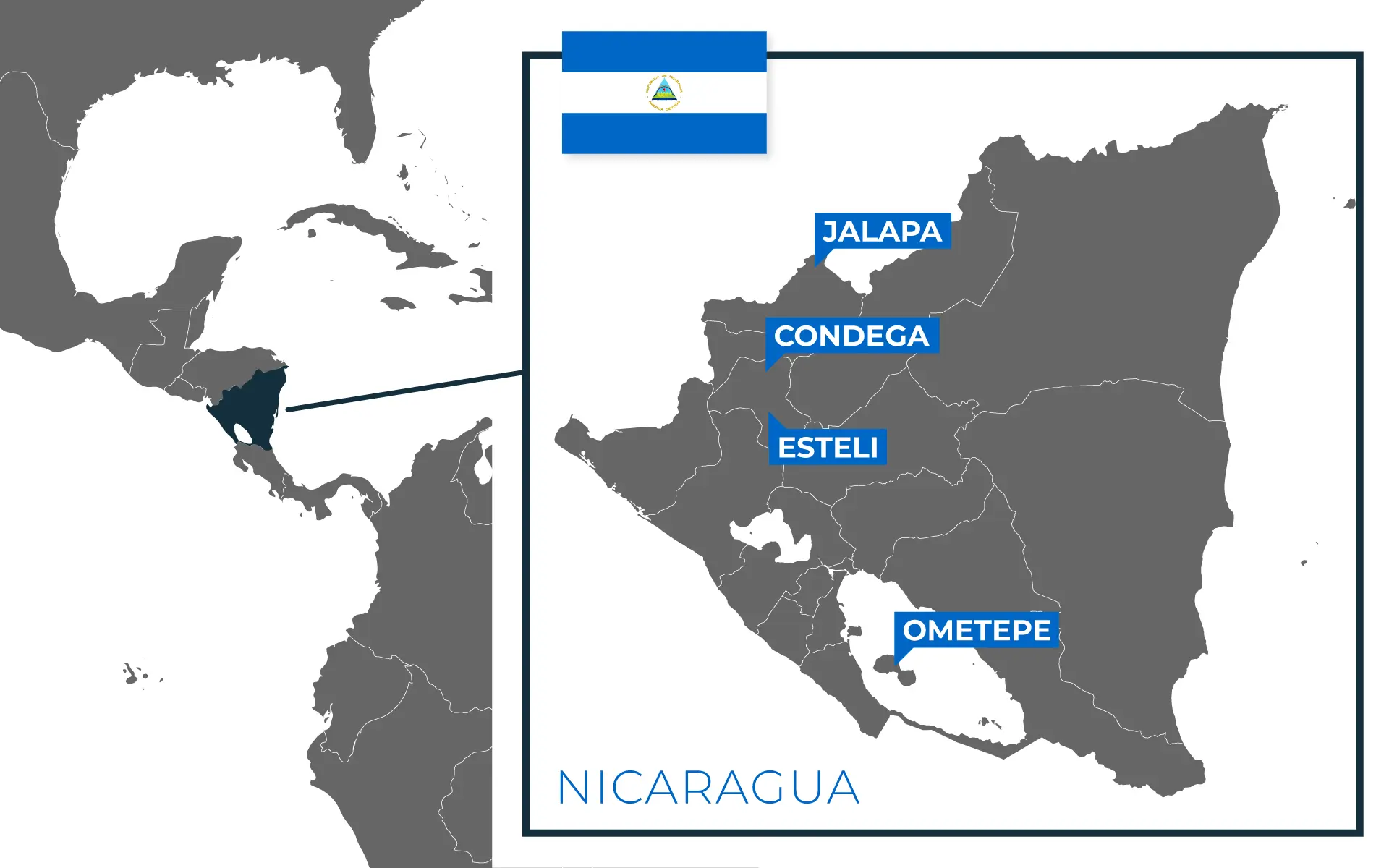
Estelí, Condega, Jalapa, and Ometepe each contribute something different. Getting to know these regions helps explain how tobaccos grown within one country can bring such variety to the cigars you enjoy. Explore Nicaragua’s tobacco-growing regions and how soil and climate shape the flavor and character of its cigars.
ESTELI
CONDEGA
JALAPA
OMETEPE
Four Main
Growing Regions
Estelí, Condega, Jalapa, and Ometepe each contribute something different. Getting to know these regions helps explain how tobaccos grown within one country can bring such variety to the cigars you enjoy. Explore Nicaragua’s tobacco-growing regions and how soil and climate shape the flavor and character of its cigars.
ESTELI | CONDEGA | JALAPA | OMETEPE
ESTELI
Strength & Structure
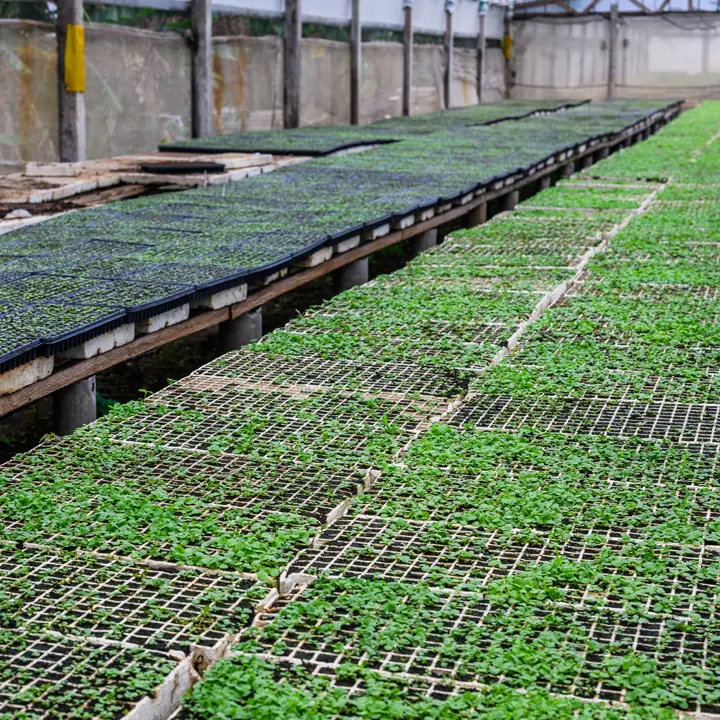
Estelí is both a tobacco-growing region and a major center of Nicaraguan cigar making. Its dark soils and sunny growing conditions produce leaves often associated with strength, spice, and a robust character.
Blenders frequently turn to Estelí tobacco to give a cigar its backbone. It can bring weight and intensity, while leaves from other regions add contrasting qualities.
- Growing conditions: Dark, mineral-rich soils with volcanic origins.
- Typical character: Bold, spicy, and robust.
- In a blend: Often contributes strength and structure.
CONDEGA
Earthiness & Depth
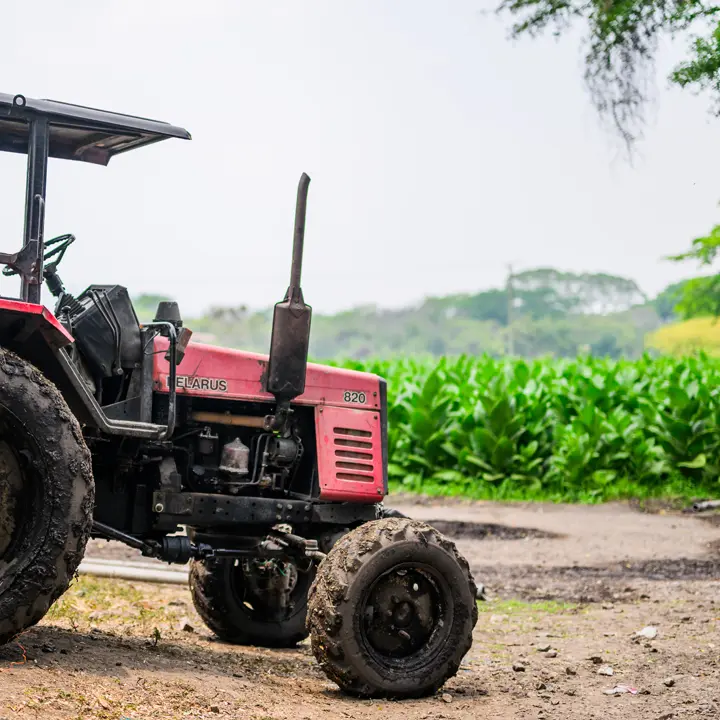
North of Estelí, Condega offers another expression of Nicaraguan tobacco. Its leaves are often described as earthy, with natural sweetness and a touch of spice.
Condega tobacco can add depth without relying on strength alone. Commonly used as filler, it helps build a blend’s flavor and brings another dimension alongside more powerful or more aromatic leaves.
- Growing conditions: Valley soils shaped by volcanic rock and sediment deposits.
- Typical character: Earthy, naturally sweet, and gently spicy.
- In a blend: Often contributes depth and richness.
JALAPA
Sweetness & Aroma
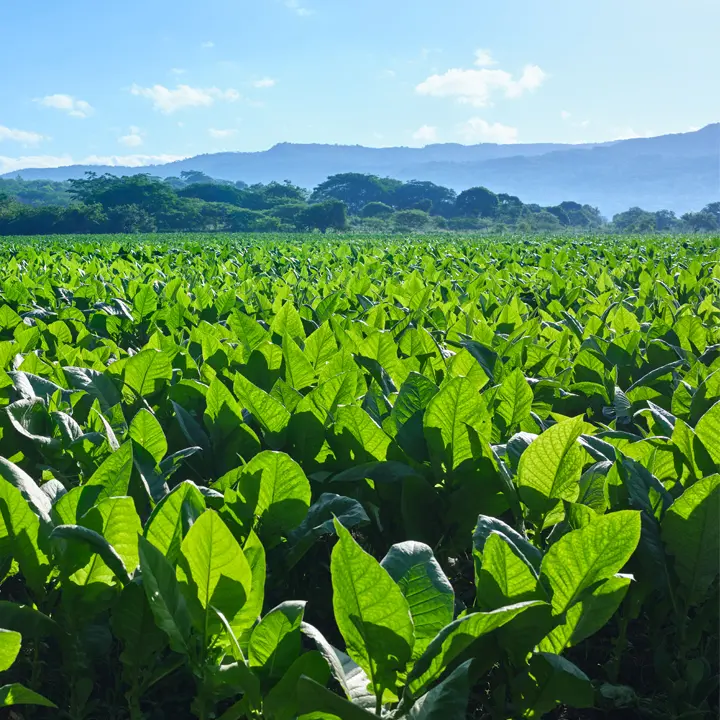
Near the Honduran border, the Jalapa Valley is known for tobacco with natural sweetness and an expressive aroma. Its reddish-brown soils help distinguish it from the darker growing grounds around Estelí.
Jalapa is also prized for wrapper tobacco, although its leaves serve other roles in a cigar. In a blend, they can add aromatic complexity and round out stronger components.
- Growing conditions: Reddish-brown soils in a northern valley.
- Typical character: Sweet, aromatic, and rounded.
- In a blend: Contributes complexity; also valued for wrappers.
OMETEPE
Volcanic Island Grown Character
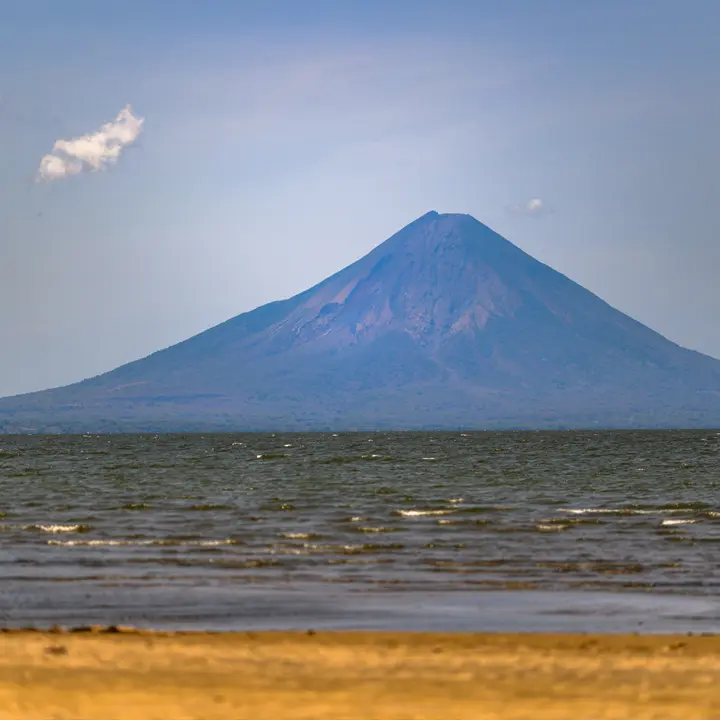
Ometepe brings a different landscape to the story: an island in Lake Nicaragua formed by the volcanoes Concepción and Maderas.
Its volcanic growing ground produces tobacco that can contribute earthiness, sweetness, and spice. Often used as a filler component, Ometepe leaf gives blenders another way to introduce distinctive character into a Nicaraguan blend.
- Growing conditions: Volcanic island soils surrounded by freshwater.
- Typical character: Earthy, with sweetness and spice.
- In a blend: Often adds a distinctive filler component.
ESTELI
Strength & Structure
Estelí is both a tobacco-growing region and a major center of Nicaraguan cigar making. Its dark soils and sunny growing conditions produce leaves often associated with strength, spice, and a robust character.
Blenders frequently turn to Estelí tobacco to give a cigar its backbone. It can bring weight and intensity, while leaves from other regions add contrasting qualities.
- Growing conditions: Dark, mineral-rich soils with volcanic origins.
- Typical character: Bold, spicy, and robust.
- In a blend: Often contributes strength and structure
CONDEGA
Earthiness & Depth
North of Estelí, Condega offers another expression of Nicaraguan tobacco. Its leaves are often described as earthy, with natural sweetness and a touch of spice.
Condega tobacco can add depth without relying on strength alone. Commonly used as filler, it helps build a blend’s flavor and brings another dimension alongside more powerful or more aromatic leaves.
- Growing conditions: Valley soils shaped by volcanic rock and sediment deposits.
- Typical character: Earthy, naturally sweet, and gently spicy.
- In a blend: Often contributes depth and richness.
JALAPA
Sweetness & Aroma
Near the Honduran border, the Jalapa Valley is known for tobacco with natural sweetness and an expressive aroma. Its reddish-brown soils help distinguish it from the darker growing grounds around Estelí.
Jalapa is also prized for wrapper tobacco, although its leaves serve other roles in a cigar. In a blend, they can add aromatic complexity and round out stronger components.
- Growing conditions: Reddish-brown soils in a northern valley.
- Typical character: Sweet, aromatic, and rounded.
- In a blend: Contributes complexity; also valued for wrappers.
OMETEPE
Volcanic Island Grown Character
Ometepe brings a different landscape to the story: an island in Lake Nicaragua formed by the volcanoes Concepción and Maderas.
Its volcanic growing ground produces tobacco that can contribute earthiness, sweetness, and spice. Often used as a filler component, Ometepe leaf gives blenders another way to introduce distinctive character into a Nicaraguan blend.
- Growing conditions: Volcanic island soils surrounded by freshwater.
- Typical character: Earthy, with sweetness and spice.
- In a blend: Often adds a distinctive filler component.
Key Takeaways


Condega
Adds earthy depth and
natural sweetness.
Estelí
Often brings strength, spice,
and structure.
Jalapa
Known for sweetness, aroma, and prized wrapper leaves.
Ometepe
Offers distinctive tobacco from volcanic island soils.

Key Takeaways
Condega
Adds earthy depth and
natural sweetness.
Estelí
Often brings strength, spice,
and structure.
Jalapa
Known for sweetness, aroma, and prized wrapper leaves.
Ometepe
Offers distinctive tobacco from volcanic island soils.
Legacy Transfer
Nicaragua’s modern cigar industry took shape in the 1960s, when Cuban cigar makers brought their knowledge of tobacco growing and cigar making to the country. They found fertile growing regions where they could develop tobaccos with their own distinct character.
Political unrest and economic challenges disrupted production, but growers and cigar makers continued building their craft. The cigar boom of the 1990s brought renewed interest, introducing Nicaraguan cigars to a wider audience and helping establish the country’s place in premium cigar making.
That history comes together in the regions explored here. From Estelí’s bold character to Jalapa’s aromatic sweetness, Nicaragua gives blenders a diverse range of leaves to work with. Understanding where those leaves grow adds context to every blend—and another layer to discovering what you enjoy in a cigar.
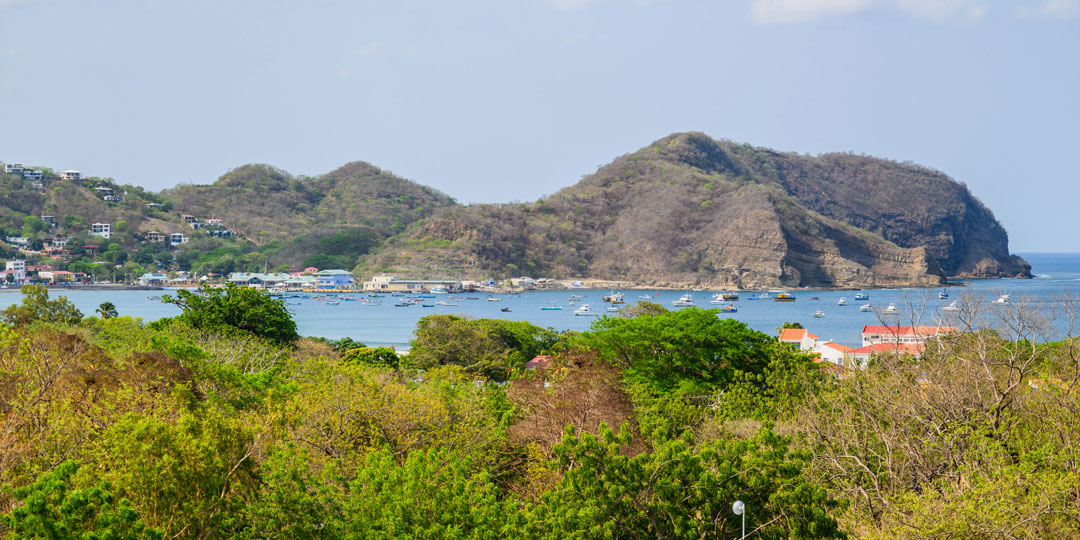
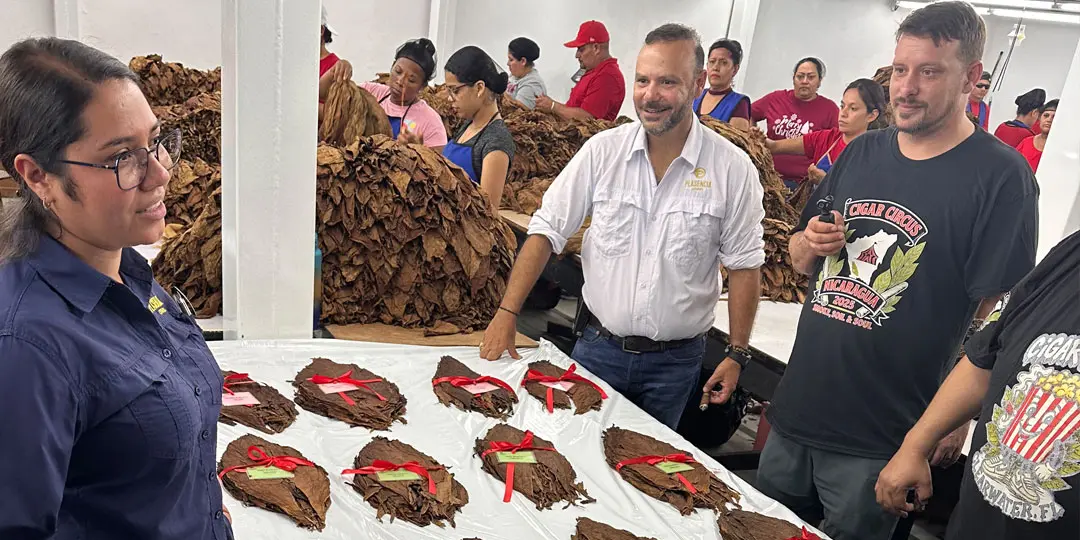
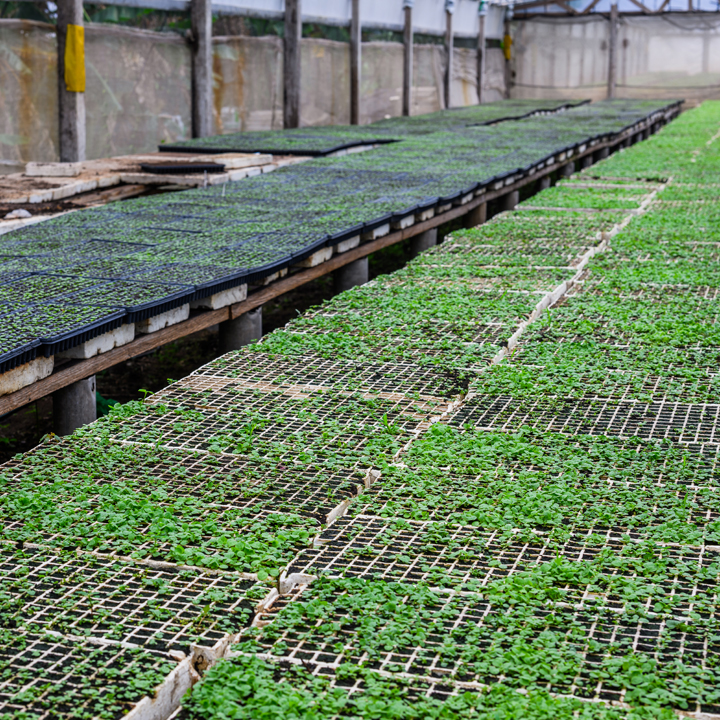
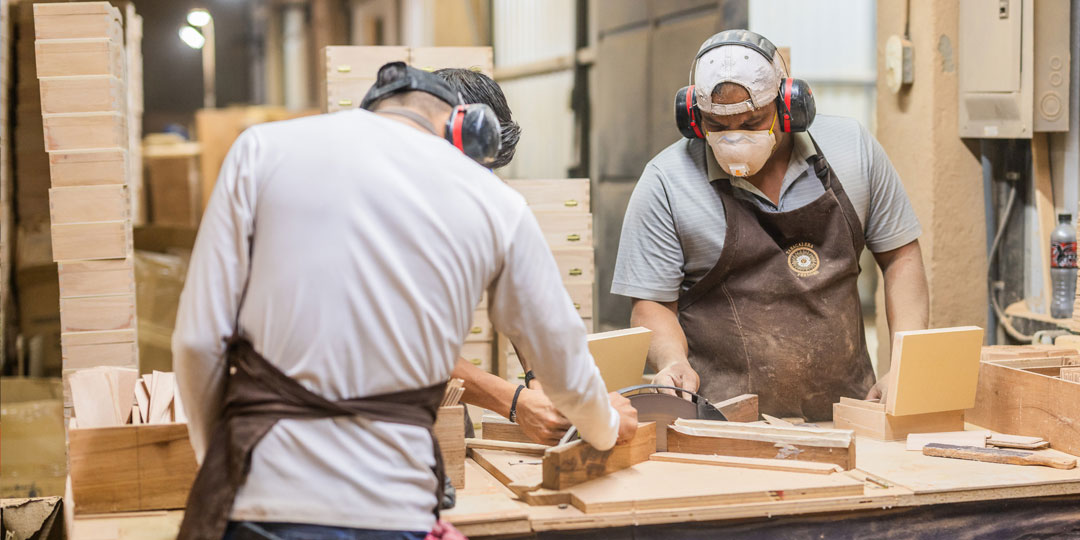
Join Cigar Circus for a small-group tobacco tour in Nicaragua. Visit tobacco farms and cigar factories, meet the people behind the work, and see how leaves go from the field to the rolling table. Along the way, explore the towns and traditions that have shaped Nicaragua’s cigar industry.
Come see for yourself!
Join us on a tobacco tour
to Nicaragua.
Join Cigar Circus for a small-group tobacco tour in Nicaragua. Visit tobacco farms and cigar factories, meet the people behind the work, and see how leaves go from the field to the rolling table. Along the way, explore the towns and traditions that have shaped Nicaragua’s cigar industry.
Come see for yourself.
Join us on a tobacco tour to Nicaragua!
Keep Exploring
There is always more to learn about cigars! We cover a wide variety of topics in our Cigars 101.

Seasoning a HumidorLearn More
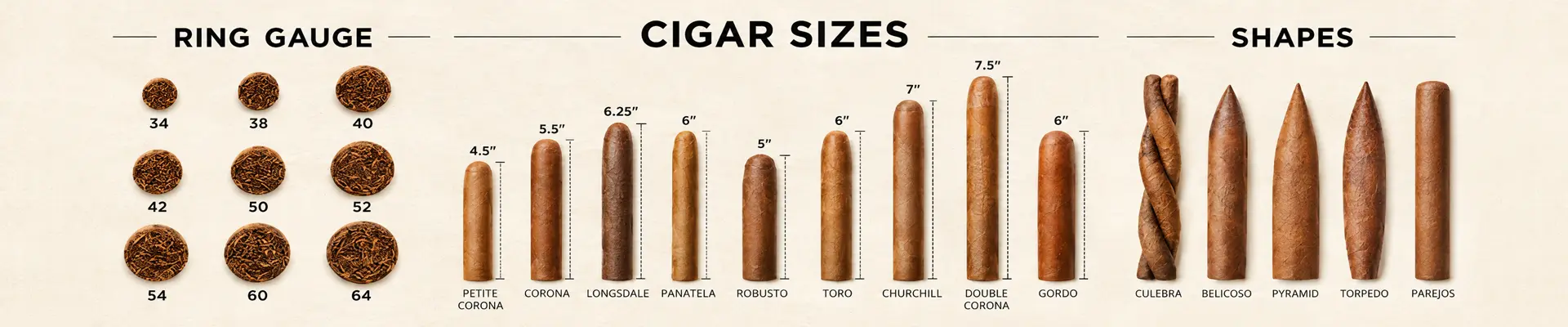
Cigar Sizes Explained
Learn More
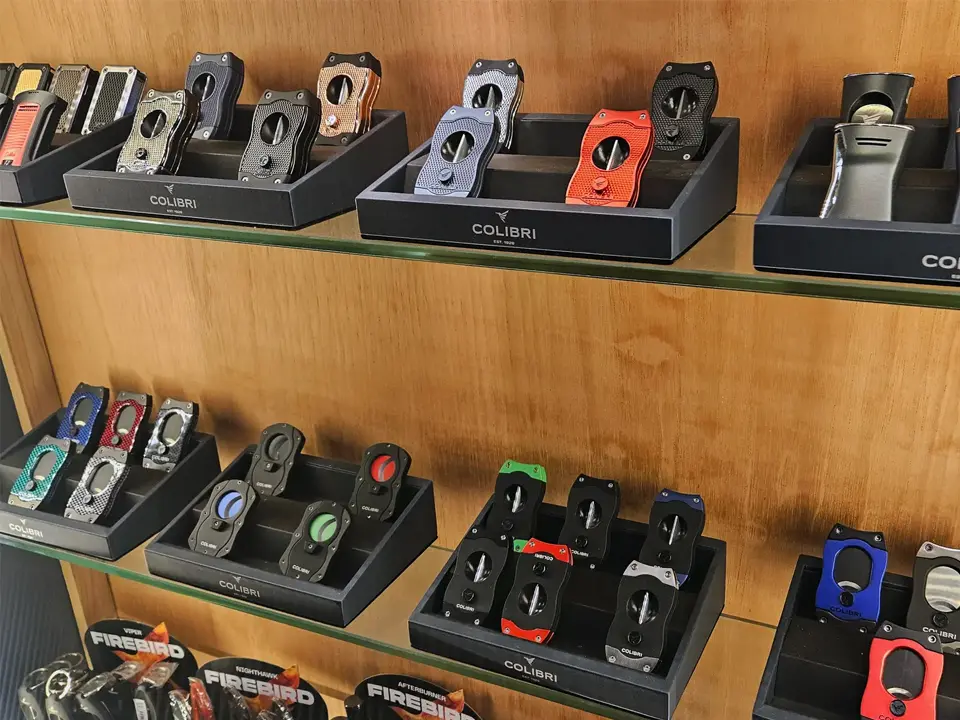
Choosing the Right Cutter
Learn More
Keep Exploring
There is always more to learn about cigars! We cover a wide variety of topics in our Cigars 101.