Cigars
101
Cigar Sizes Explained
Whether you are choosing your first cigar or comparing familiar favorites, understanding size makes it easier to know what you are getting. Cigar size is defined by length and ring gauge, and those measurements can influence smoking time, draw, burn, and how the blend develops as you smoke. Cigar Sizes Explained is about understanding how length, ring gauge, and shape can change your smoking experience.
Cigars 101
Cigar Sizes Explained
Whether you are choosing your first cigar or comparing familiar favorites, understanding size makes it easier to know what you are getting. Cigar size is defined by length and ring gauge, and those measurements can influence smoking time, draw, burn, and how the blend develops as you smoke. Cigar Sizes Explained is about understanding how length, ring gauge, and shape can change your smoking experience.
Introduction
Cigar sizes can look more complicated than they really are. Once you understand how length, ring gauge, and shape work together, names like Robusto, Toro, Churchill, and Torpedo start to make a lot more sense. This guide breaks those terms down in a simple way so you can compare cigars more confidently, understand how different formats may affect the smoking experience, and choose a size that better fits how you like to smoke.
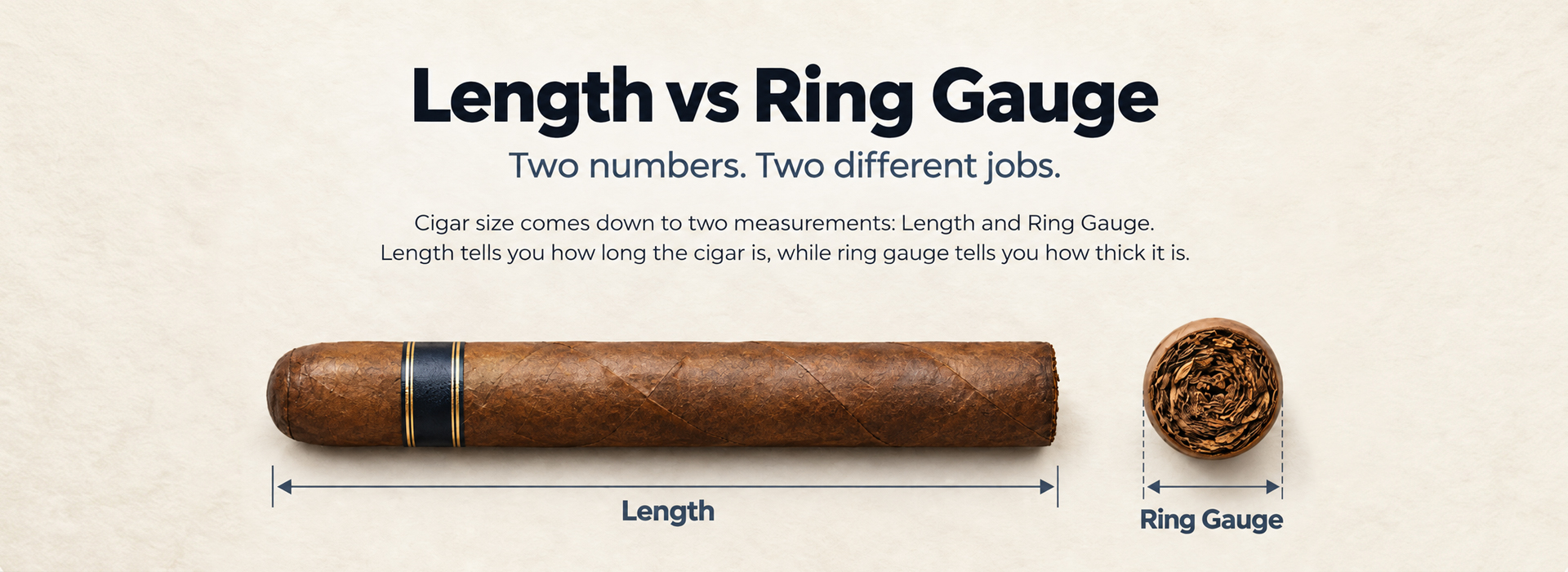
Length
How long is the cigar?
Length is measured in inches and helps give you an idea of the cigar's overall size and time commitment.
A longer cigar generally gives the blend more time to develop throughout the smoking experience.
Ring Gauge
How thick is the cigar?
Ring gauge measures the cigar's diameter in 64ths of an inch.
Example: 48 = 3/4 inch thick.
Ring gauge can influence burn temperature, smoke production, and the balance between wrapper and filler tobacco.
Introduction
Cigar sizes can look more complicated than they really are. Once you understand how length, ring gauge, and shape work together, names like Robusto, Toro, Churchill, and Torpedo start to make a lot more sense. This guide breaks those terms down in a simple way so you can compare cigars more confidently, understand how different formats may affect the smoking experience, and choose a size that better fits how you like to smoke.
Cigar Sizes
Learn the names you'll see most often.
Names like Robusto, Toro, Corona, and Churchill help describe familiar cigar formats, but they are not perfectly standardized.
Most cigars fall into two categories: Parejos (straight, traditional shape) and Figurados (non-traditional shapes like torpedos or perfectos). Parejos make up the majority of cigars on the market. Here is a list of some of the most common names you'll hear.
Common Parejo
PAREJO
Traditional straight cigars
The familiar straight sided cigar shape with a rounded or flat cap and an even body from end to end.
Many Robustos, Toros, Coronas, and Churchills are Parejos.
FIGURADO
Broader category
A broader category for cigars that depart from the traditional straight sided shape.
These may taper, narrow, widen, twist, or form a pointed head.
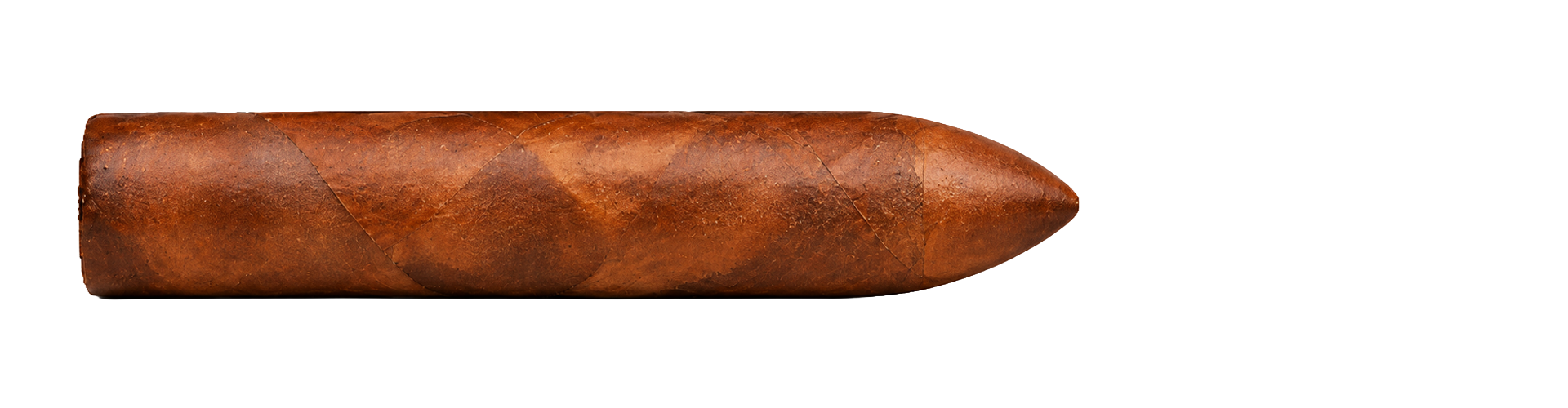
Belicoso
5"–5.5" x ~50
Shorter torpedo.
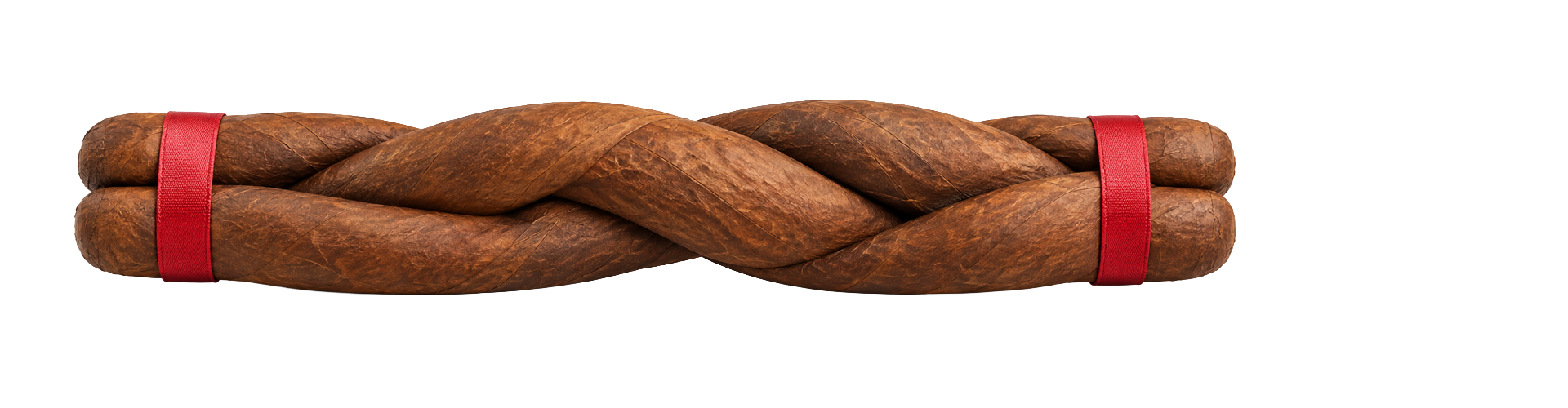
Culebra
~5"–6" (3 intertwined cigars)
Braided novelty.
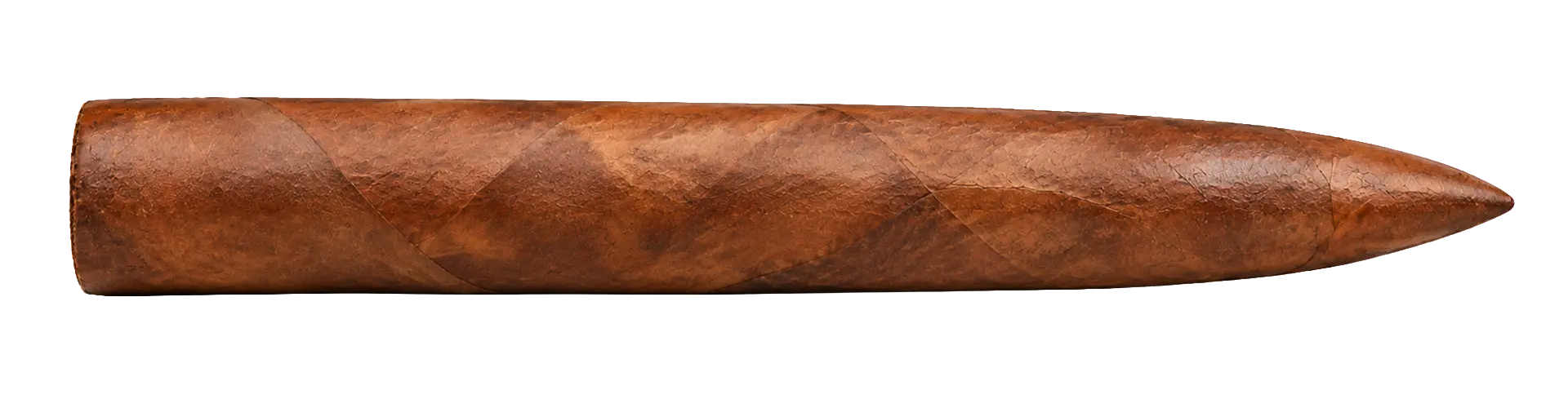
Pyramid
6"–7" x 52–54
Tapered head, wide foot.
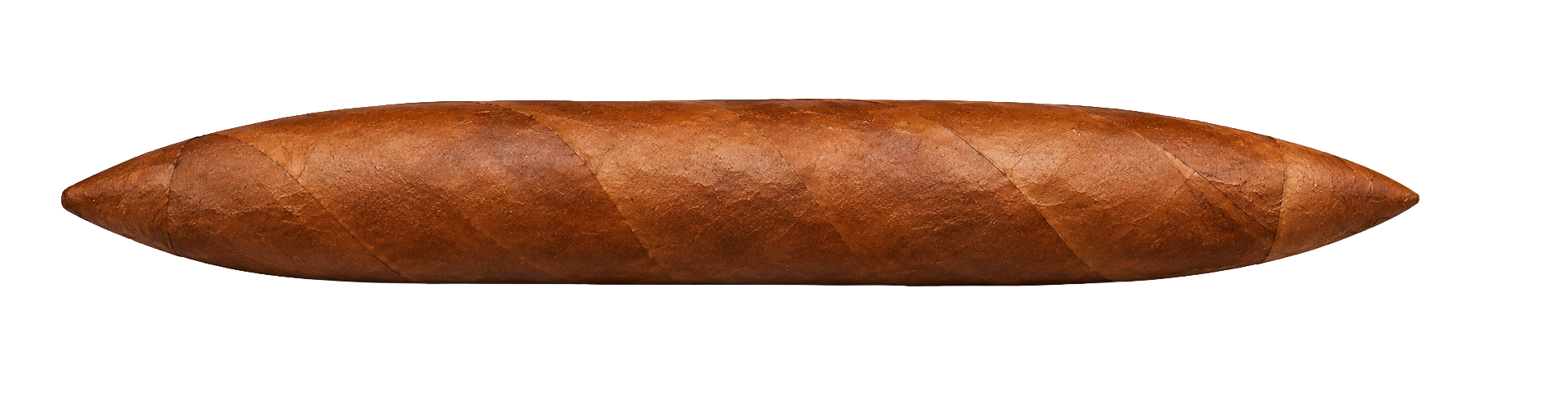
Perfecto
Varies widely
Bulged center, tapered ends.
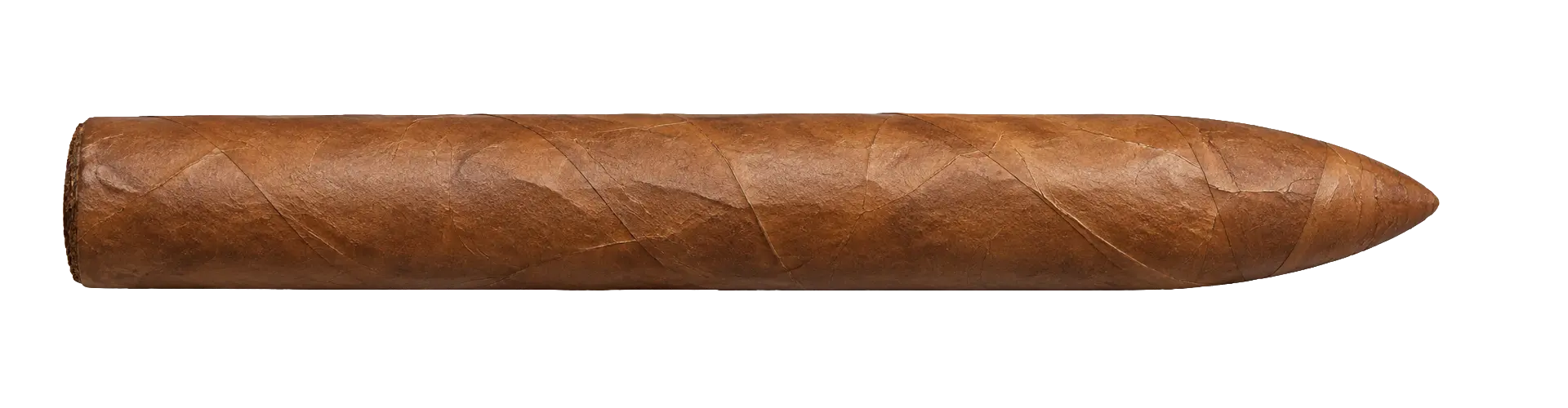
Torpedo
6"–7" x 50–54
Pointed head.
Common Figurado
Churchill
7" x 47–50
Long, slow-burning.
Double Corona
7.5"–8" x 49–52
Extra long session.
Gordo
6" x 58–60
Very thick, cool smoke.
Panatela
5"–6" x 34–38
Thin, wrapper-forward.
Robusto
4.5"–5.5" x 48–52
Short, thick, very popular.
Toro
5.5"–6" x 50–54
Balanced length + thickness.
Lonsdale
6.25"–7" x 42–44
Longer, more refined.
Corona
5.5"–6" x 42–44
Classic, balanced.
Petite Corona
4.5" x 40–42
Short, quicker smoke.
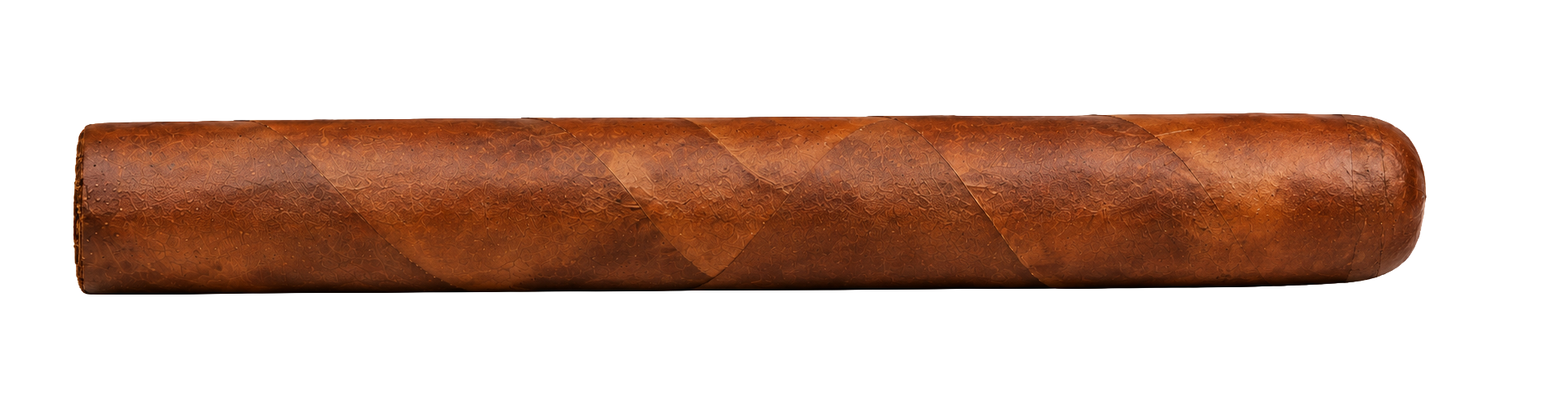
Parejo
Standard or Classic straight side.
Lengths and gauge vary.
Cigar Sizes
Learn the names you'll see
most often.
Names like Robusto, Toro, Corona, and Churchill help describe familiar cigar formats, but they are not perfectly standardized.
Most cigars fall into two categories: Parejos (straight, traditional shape) and Figurados (non-traditional shapes like torpedos or perfectos). Parejos make up the majority of cigars on the market. These are some of the most common sizes.
Common Parejo
PAREJO
Traditional straight cigars
The familiar straight sided cigar shape with a rounded or flat cap and an even body from end to end.
Many Robustos, Toros, Coronas, and Churchills are Parejos.
FIGURADO
Broader category
A broader category for cigars that depart from the traditional straight sided shape.
These may taper, narrow, widen, twist, or form a pointed head.
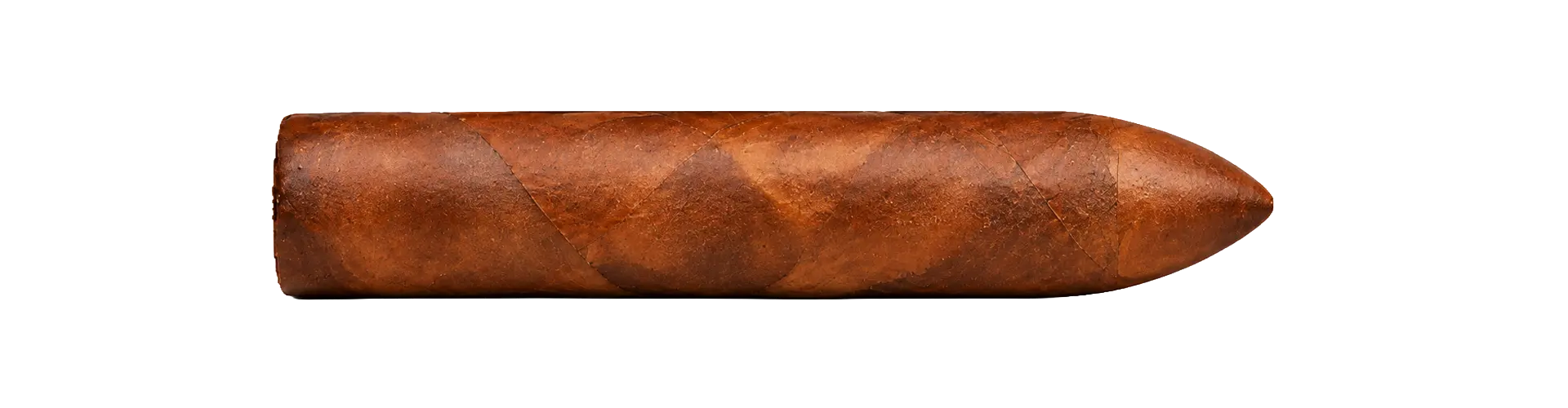
Belicoso
5"–5.5" x ~50
Shorter torpedo.
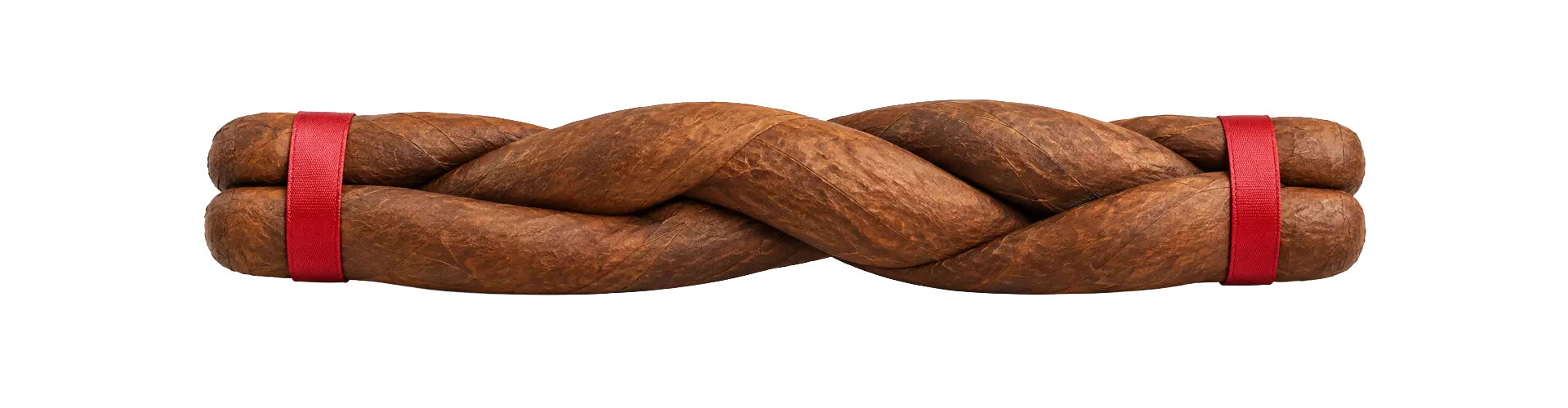
Culebra
~5"–6" (3 intertwined cigars)
Braided novelty.
Pyramid
6"–7" x 52–54
Tapered head, wide foot.
Perfecto
Varies widely
Bulged center, tapered ends.
Torpedo
6"–7" x 50–54
Pointed head.
Common Figurado
Churchill
7" x 47–50
Long, slow-burning.
Double Corona
7.5"–8" x 49–52
Extra long session.
Gordo
6" x 58–60
Very thick, cool smoke.
Panatela
5"–6" x 34–38
Thin, wrapper-forward.
Robusto
4.5"–5.5" x 48–52
Short, thick, very popular.
Toro
5.5"–6" x 50–54
Balanced length + thickness.
Lonsdale
6.25"–7" x 42–44
Longer, more refined.
Corona
5.5"–6" x 42–44
Classic, balanced.
Petite Corona
4.5" x 40–42
Short, quicker smoke.
Parejo
Standard or Classic straight side.
Lengths and gauge vary.
Length
How long is the cigar?
Length is measured in inches and helps give you an idea of the cigar's overall size and time commitment.
A longer cigar generally gives the blend more time to develop throughout the smoking experience.
Ring Gauge
How thick is the cigar?
Ring gauge measures the cigar's diameter in 64ths of an inch.
Example: 48 = 3/4 inch thick.
Ring gauge can influence burn temperature, smoke production, and the balance between wrapper and filler tobacco.
Why Ring Gauge Matters
Thickness changes the experience.
Changing ring gauge changes the proportions of tobacco inside the cigar and can influence how the blend behaves while you smoke it.
Thinner Ring Gauges
A thinner cigar has a higher proportion of wrapper compared with filler and can burn warmer, making certain characteristics of the wrapper more noticeable.
Thicker Ring Gauges
A thicker cigar provides more room for filler tobaccos, generally burns cooler, and gives the blender more flexibility in how the blend is constructed.
Neither automatically means stronger, milder, better, or more complex. The tobacco blend still matters most.
How do I choose a size?
Start with how you want to smoke
Start with
PETITE CORONA or ROBUSTO
A good place to start when you want the experience of a premium cigar without committing to a longer session.
Start with
CORONA
A good place to start when you want the experience of a premium cigar without committing to a longer session.
Start with
TORO
Popular because it sits comfortably between shorter formats and longer smoking sessions.
Start with
CHURCHILL or DOUBLE CORONA
Popular because it sits comfortably between shorter formats and longer smoking sessions.
Start with
GORDO
A larger ring gauge offers more room for filler tobacco and generally produces a cooler, higher volume smoke.
Start with
PANATELA or LANCERO
The higher wrapper to filler ratio can make the wrapper's contribution to the blend more noticeable.
How do I choose a size?
Start with how you want
to smoke
Start with
PETITE CORONA or ROBUSTO
A good place to start when you want the experience of a premium cigar without committing to a longer session.
Start with
CORONA
A good place to start when you want the experience of a premium cigar without committing to a longer session.
Start with
TORO
Popular because it sits comfortably between shorter formats and longer smoking sessions.
Start with
CHURCHILL or DOUBLE CORONA
Popular because it sits comfortably between shorter formats and longer smoking sessions.
Start with
GORDO
A larger ring gauge offers more room for filler tobacco and generally produces a cooler, higher volume smoke.
Start with
PANATELA or LANCERO
The higher wrapper to filler ratio can make the wrapper's contribution to the blend more noticeable.
Simplified Example

When you see a cigar listed as a 5 x 50, that means:
- 5 = 5 inches long
- 50 = 50 ring gauge, or how thick it is
Ring Gauge (Thickness):
- Thicker cigars = cooler smoke, smoother experience
- More filler tobacco = more complex, layered flavors
- Wrapper plays a smaller role in the overall taste.
- Usually easier draw (more airflow)
Length:
- Longer cigars = longer sessions and more flavor transitions.
- Doesn’t drastically change intensity, but extends the experience.
- Can feel milder at the start and build over time.
Simple way to think about it:
- Ring gauge controls how it tastes.
- Length controls how long you enjoy it.
If you want to change flavor and intensity, adjust the ring gauge.
If you just want a shorter or longer smoke, adjust the length.
Simplified Example
When you see a cigar listed as a 5 x 50, that means:
- 5 = 5 inches long
- 50 = 50 ring gauge, or how thick it is
Ring Gauge (Thickness):
- Thicker cigars = cooler smoke, smoother experience
- More filler tobacco = more complex, layered flavors
- Wrapper plays a smaller role in the overall taste.
- Usually easier draw (more airflow)
Length:
- Longer cigars = longer sessions and more flavor transitions.
- Doesn’t drastically change intensity, but extends the experience.
- Can feel milder at the start and build over time.
Simple way to think about it:
- Ring gauge controls how it tastes.
- Length controls how long you enjoy it.
If you want to change flavor and intensity, adjust the ring gauge.
If you just want a shorter or longer smoke, adjust the length.
The Bottom Line
Size, gauge, and shape can often directly impact your smoking experience
Thicker cigars burn cooler and use more filler tobacco, creating more complex, blended flavors.
Thinner cigars burn hotter and highlight the wrapper more, often resulting in stronger or sharper flavors.
There are standard size names, but exact dimensions vary slightly by brand.
Cigar size isn’t just about length, gauge, or shape, it changes how the cigar burns, tastes, and feels. Trying the same blend in different sizes can give you a completely different experience.
Keep Learning
Now You Know the Size. What's Next?
Understanding cigar sizes makes it easier to compare cigars, but dimensions are only one part of the experience.
Keep learning with Cigars 101
Keep Learning
Now You Know the Size.
What's Next?
Understanding cigar sizes makes it easier to compare cigars, but dimensions are only one part of the experience.
Keep learning with Cigars 101