Cigar Sizes Explained:
Ring Gauge, Length, and Cigar Size Chart
Introduction
If cigar sizes have ever seemed confusing, you’re not alone. You’ll hear names like Robusto, Toro, Churchill, and Gordo, then you’ll also see numbers like 50 ring gauge or 60 ring gauge, and if you’re newer to cigars, that can get confusing fast.
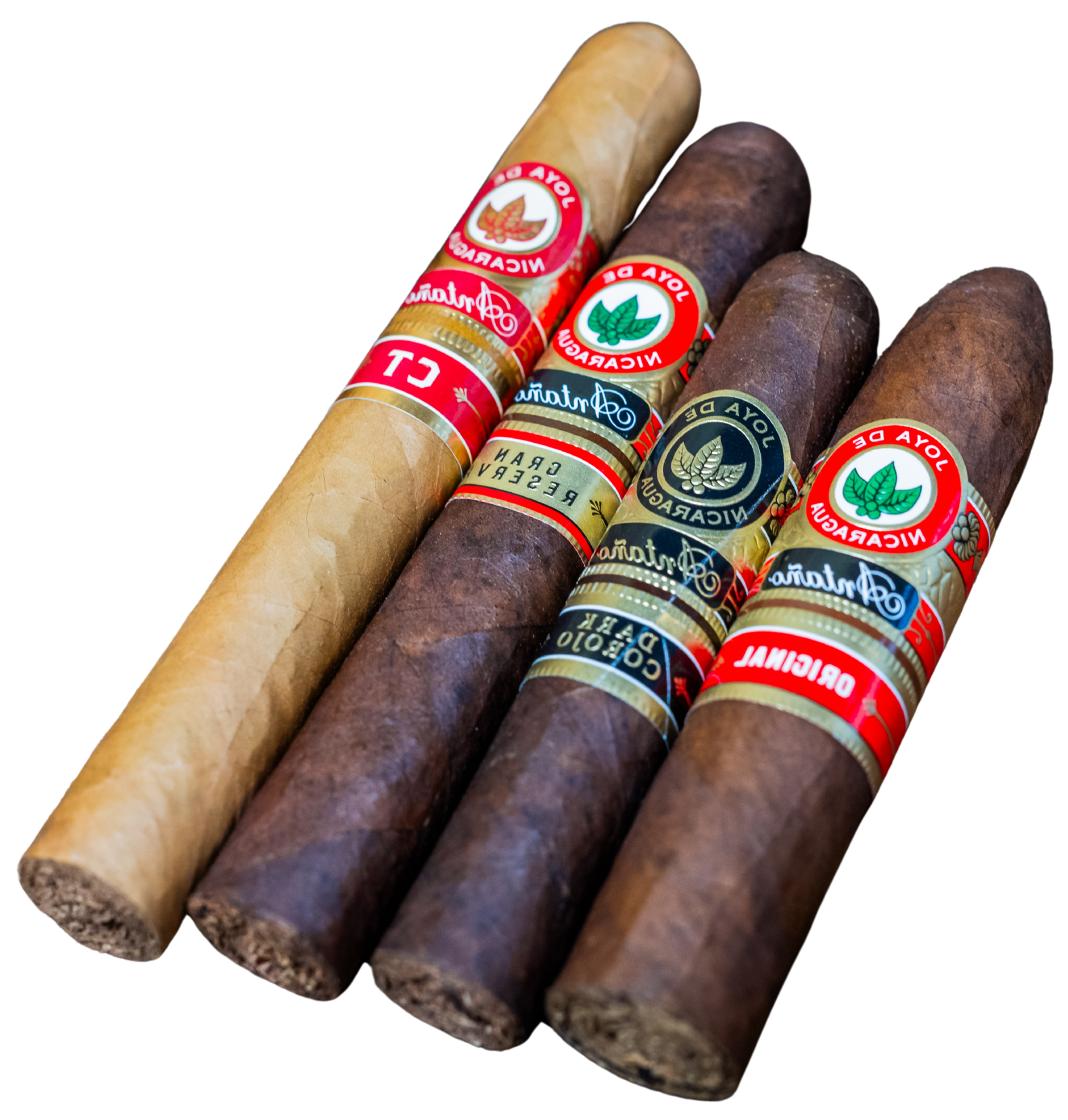
Most cigars fall into two categories: Parejos (straight, traditional shape) and Figurados (non-traditional shapes like torpedos or perfectos). Parejos make up the majority of cigars on the market.
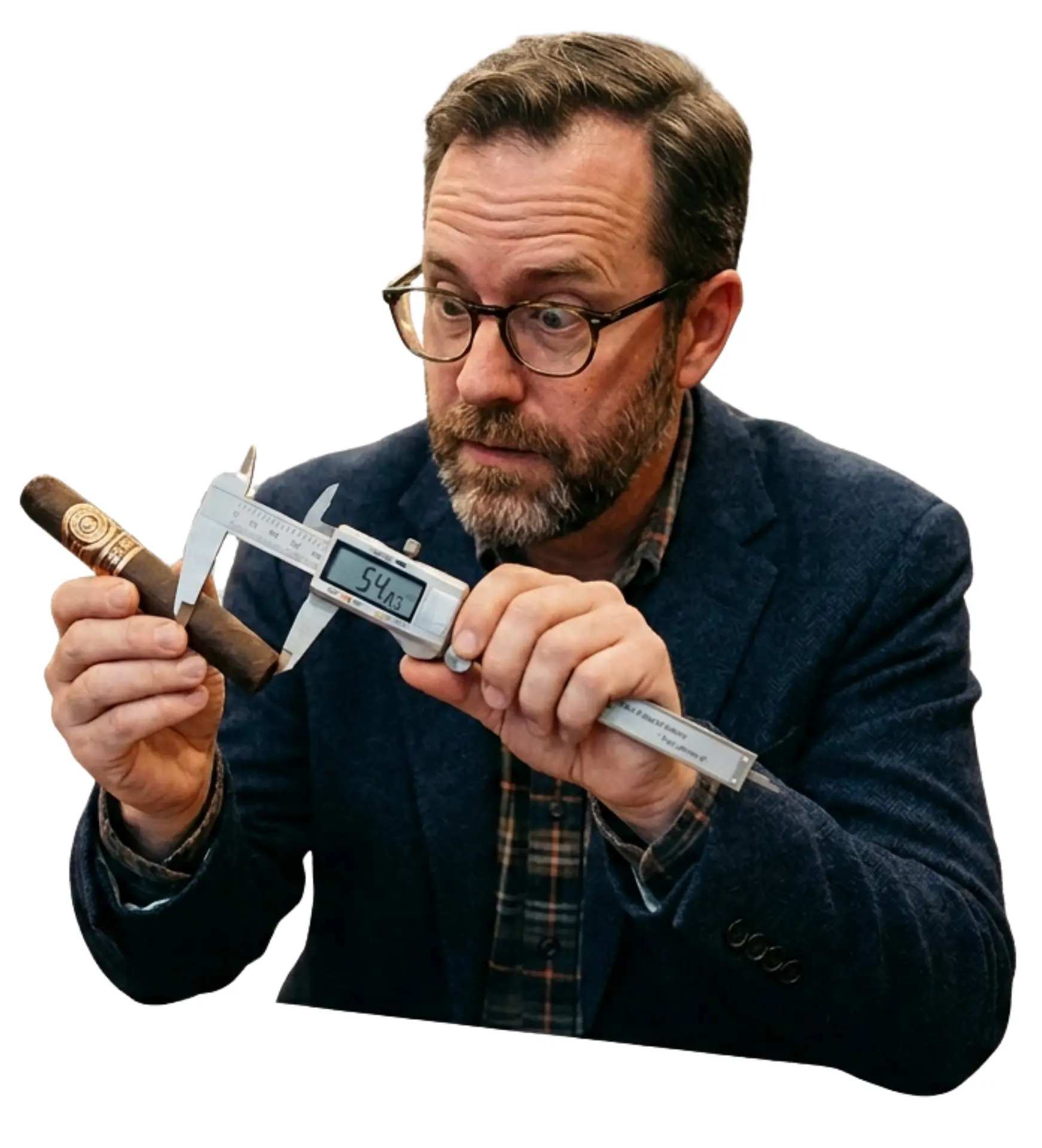
Ring gauge is measured in 64ths of an inch (e.g., 48 = ¾ inch thick).
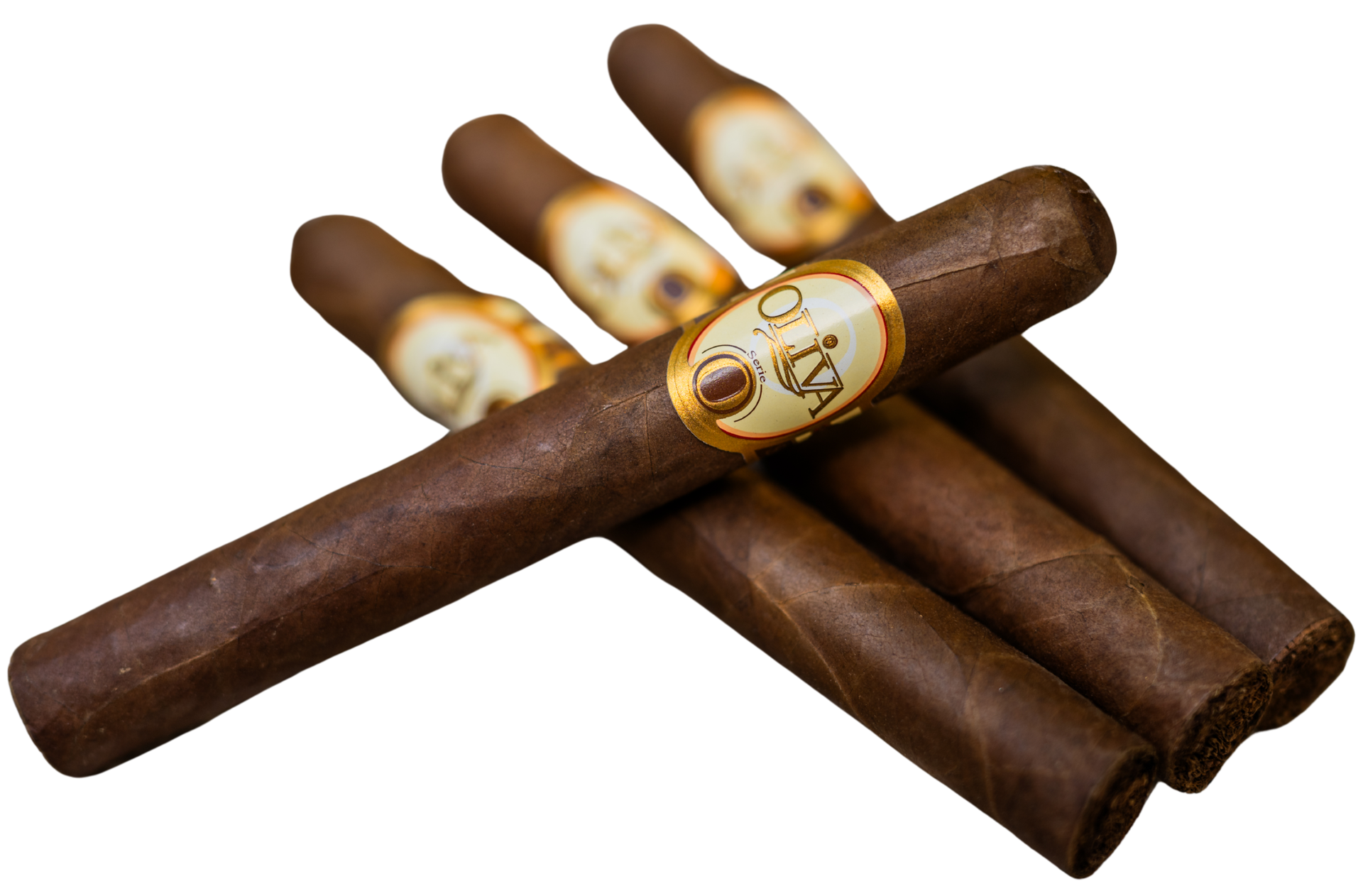
Cigars are sized by length (in inches) and ring gauge (diameter).
-
Size can often directly impact your smoking experience:
- Thicker cigars burn cooler and use more filler tobacco, creating more complex, blended flavors.
- Thinner cigars burn hotter and highlight the wrapper more, often resulting in stronger or sharper flavors.
- There are standard size names (like Robusto, Toro, Corona, Churchill), but exact dimensions can vary slightly by brand.
Bottom line: Cigar size isn’t just about length—it changes how the cigar burns, tastes, and feels. Trying the same blend in different sizes can give you a completely different experience.
Ring Gauge vs. Length
For Example:
When you see a cigar listed as a 5 x 50, that means:
- 5 = 5 inches long
- 50 = 50 ring gauge, or how thick it is
How they differ in practice:
Ring Gauge (Thickness):
- Thicker cigars = cooler smoke, smoother experience
- More filler tobacco = more complex, layered flavors
- Wrapper plays a smaller role in the overall taste.
- Usually easier draw (more airflow)
Length:
- Longer cigars = longer sessions and more flavor transitions.
- Doesn’t drastically change intensity, but extends the experience.
- Can feel milder at the start and build over time.
Simple way to think about it:
- Ring gauge controls how it tastes.
- Length controls how long you enjoy it.
If you want to change flavor and intensity, adjust the ring gauge. If you just want a shorter or longer smoke, adjust the length.
Common Figurado Sizes
| Name | Typical Size (Length x Ring Gauge) | Shape Description |
| Torpedo | 6"–7" x 50–54 | Pointed head |
| Pyramid | 6"–7" x 52–54 | Tapered head, wide foot |
| Belicoso | 5"–5.5" x ~50 | Shorter torpedo |
| Perfecto | Varies widely | Bulged center, tapered ends |
| Culebra | ~5"–6" (3 intertwined cigars) | Braided novelty |
Quick note: These are industry standards, not strict rules—sizes can vary slightly by brand, even if the name stays the same.
Common Parejo Sizes
| Name | Typical Size (Length x Ring Gauge) | Notes |
| Petite Corona | 4.5" x 40–42 | Short, quicker smoke |
| Corona | 5.5"–6" x 42–44 | Classic, balanced |
| Lonsdale | 6.25"–7" x 42–44 | Longer, more refined |
| Panatela | 5"–6" x 34–38 | Thin, wrapper-forward |
| Robusto | 4.5"–5.5" x 48–52 | Short, thick, very popular |
| Toro | 5.5"–6" x 50–54 | Balanced length + thickness |
| Churchill | 7" x 47–50 | Long, slow-burning |
| Double Corona | 7.5"–8" x 49–52 | Extra long session |
| Gordo | 6" x 58–60 | Very thick, cool smoke |